A “self-accelerating endosomal escape” siRNA delivery nanosystem for significantly suppressing hyperplasia via blocking the ERK2 pathway?
Biomaterials Science Pub Date: 2019-05-30 DOI: 10.1039/C9BM00451C
Abstract
Small interfering RNA (siRNA)-based therapy is an emerging treatment to address serious cardiovascular disease. It is essential to construct highly efficient vehicles for therapeutic siRNA intracellular delivery. Extracellular signal-regulated kinase-2 (ERK2) siRNA (abbreviated as ERK2-siRNA) is known as a type of siRNA to selectively silence the expression of ERK2. Herein, a type of ternary delivery system characterized by an endosome-selective-self-accelerating-escape ability was designed and prepared for the purpose of inhibiting the migration of vascular smooth muscle cells (VSMCs) in vitro. This system was called ternary ERK2-siRNA complexes (abbreviated as TRCs-Aco), which were fabricated via sequential electrostatic self-assembly of a star-shaped cell-penetrating peptide based on polyhedral oligomeric silsesquioxane (POSS-(C-G-R8-G-W)16), ERK2-siRNA and a pH-sensitive anionic polymer of cis-aconitic anhydride grafted ε-poly(L-lysine). Importantly, TRCs-Aco could break down the obstacle of biocompatibility-silencing efficiency. In comparison with the parent binary siRNA complexes (abbreviated as BRCs), which are composed of POSS-(C-G-R8-G-W)16 and ERK2-siRNA, our designed TRCs-Aco revealed more excellent biocompatibility including hemocompatibility and cytocompatibility. Unexpectedly, TRCs-Aco exhibited stronger ERK2 silencing efficiency at the level of mRNA and protein, which was mainly due to its remarkable self-accelerating endosomal escape. Definitive evidence demonstrated that this ternary ERK2-siRNA delivery system significantly prevented the migration of VSMCs and decreased the dermal thickness in bleomycin-treated mice. In brief, this unique structured system could provide a valuable nanoplatform for highly efficient siRNA delivery in VSMCs, and it might hold great potential in guiding ERK2-siRNA-based proliferative disease therapy.

Recommended Literature
- [1] Fe(iii)-mediated isomerization of α,α-diarylallylic alcohols to ketones via radical 1,2-aryl migration? Ziyang Deng,Changwei Chen,Sunliang CuiRSC Adv., 2016,6, 93753-93755 10.1039/C6RA20007A
- [2] Evolution of shape, size, and areal density of a single plane of Si nanocrystals embedded in SiO2 matrix studied by atom probe tomography Bin Han,Yasuo Shimizu,Gabriele Seguini,Celia Castro,Gérard Ben Assayag,Koji Inoue,Yasuyoshi Nagai,Sylvie Schamm-Chardon,Michele PeregoRSC Adv., 2016,6, 3617-3622 10.1039/C5RA26710B
- [3] Excellent energy storage performance in NaNbO3-based relaxor antiferroeic ceramics under a low electric field XuxinCheng,XiaomingChen,PengyuanFan 10.1007/s10832-022-00283-w
- [4] Enabling stable MnO2 matrix for aqueous zinc-ion battery cathodes? Yiding Jiao,Liqun Kang,Jasper Berry-Gair,Kit McColl,Jianwei Li,Haobo Dong,Hao Jiang,Ryan Wang,Furio Corà,Dan J. L. Brett,Ivan P. ParkinJ. Mater. Chem. A, 2020,8, 22075-22082 10.1039/D0TA08638J
- [5] Evidence of CO2 molecule acting as an electron acceptor on a nanoporous metal–organic-framework MIL-53 or Cr3+(OH)(O2C–C6H4–CO2)? Alexandre Vimont,Arnaud Travert,Philippe Bazin,Jean-Claude Lavalley,Marco Daturi,Christian Serre,Gérard Férey,Sandrine Bourrelly,Philip L. LlewellynChem. Commun., 2007, 3291-3293 10.1039/B703468G
- [6] Elusive 2-aminofuran Diels–Alder substrates for a straightforward synthesis of polysubstituted anilines? Ana G. Neo,Ana Bornadiego,Jesús Díaz,Stefano Marcaccini,Carlos F. MarcosOrg. Biomol. Chem., 2013,11, 6546-6555 10.1039/C3OB41411F
- [7] Excimer emission and magnetoluminescence of radical-based zinc(ii) complexes doped in host crystals? Shojiro Kimura,Tetsuro KusamotoChem. Commun., 2020,56, 11195-11198 10.1039/D0CC04830E
- [8] Embedding heteroatoms: an effective approach to create porphyrin-based functional materials Norihito Fukui,Keisuke Fujimoto,Hideki Yorimitsu,Atsuhiro OsukaDalton Trans., 2017,46, 13322-13341 10.1039/C7DT02815F
- [9] Evidence of field induced slow magnetic relaxation in cis-[Co(hfac)2(H2O)2] exhibiting tri-axial anisotropy with a negative axial component? Denis V. Korchagin,Elena A. Yureva,Alexander V. Akimov,Eugenii Ya. Misochko,Gennady V. Shilov,Artem D. Talantsev,Roman B. Morgunov,Alexander A. Shakin,Sergey M. Aldoshin,Boris S. TsukerblatDalton Trans., 2017,46, 7540-7548 10.1039/C7DT01236E
- [10] Excimer formation effects and trap-assisted charge recombination loss channels in organic solar cells of perylene diimide dimer acceptors? Min Kim,Jae-Joon Lee,Tengling Ye,Panagiotis E. Keivanidis,Kilwon ChoJ. Mater. Chem. C, 2020,8, 1686-1696 10.1039/C9TC04955J
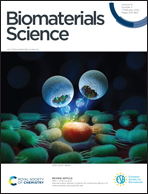
Journal Name:Biomaterials Science
research_products
-

CAS no.: 89640-58-4


![N-(3-cyanothiolan-3-yl)-2-[(2,2,2-trifluoroethyl)sulfanyl]pyridine-4-carboxamide](https://ossimg.kuujia.com/scimg/1444500/1444113-98-7x500.png)

![1,2,3,4,5,6-Hexahydro-[2,3]bipyridinyl-6-ol](https://ossimg.kuujia.com/scimg/1271000/1270529-38-8x500.png)

![2,2-Difluoro-3-[methyl(2-methylbutyl)amino]propanoic acid](https://ossimg.kuujia.com/scimg/2138500/2138166-62-6x500.png)

![2-(1H-indol-3-yl)-N-{[6-(thiophen-2-yl)-[1,2,4]triazolo[4,3-b]pyridazin-3-yl]methyl}acetamide](https://ossimg.kuujia.com/scimg/2034500/2034271-14-0x500.png)